01
Sample purpose
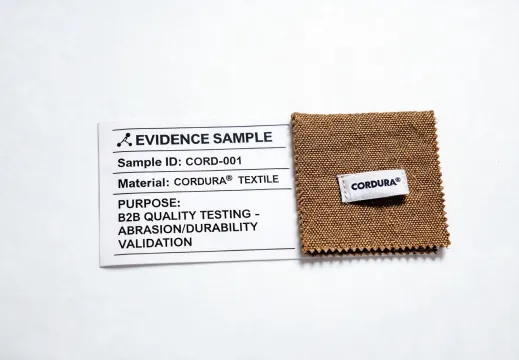
The engineering desk records fabric category, construction direction, performance route and revision date so the buyer can compare a sample against the right control fabric.
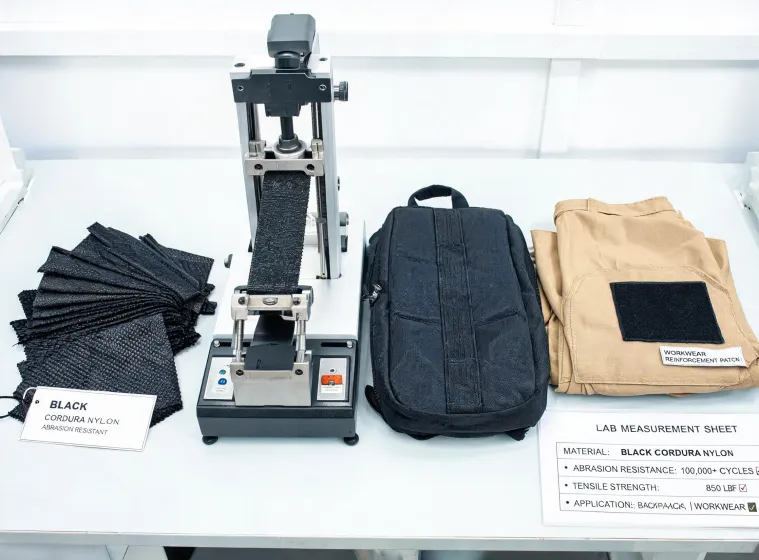
Cordura delivers abrasion-resistant fabric systems, technical yarn platforms and test-ready material evidence for apparel, pack, footwear and workwear teams.
Cordura buyers compare textile candidates by method, endpoint and lot traceability. This table keeps every early conversation tied to measurable fabric behavior.
Each feature pairs a material decision with an artifact a developer can forward internally.
The engineering desk records fabric category, construction direction, performance route and revision date so the buyer can compare a sample against the right control fabric.
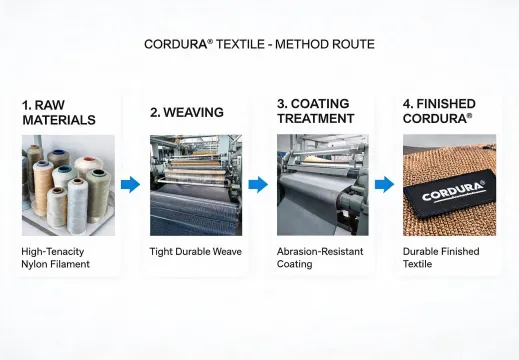
The engineering desk records fabric category, construction direction, performance route and revision date so the buyer can compare a sample against the right control fabric.
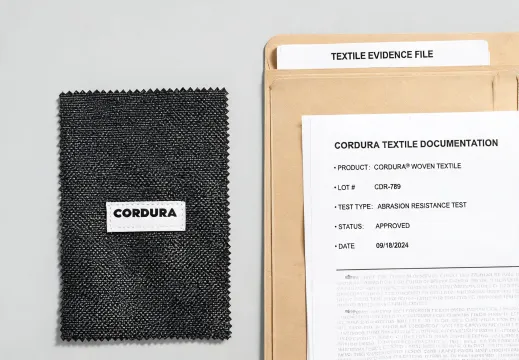
The engineering desk records fabric category, construction direction, performance route and revision date so the buyer can compare a sample against the right control fabric.
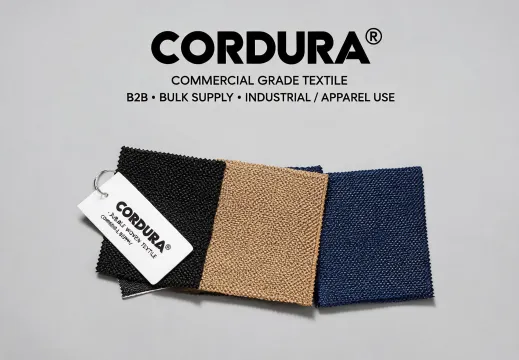
The engineering desk records fabric category, construction direction, performance route and revision date so the buyer can compare a sample against the right control fabric.
These cards follow the image-card variant: visual use case, dark lower overlay and direct entry into a documented material brief.
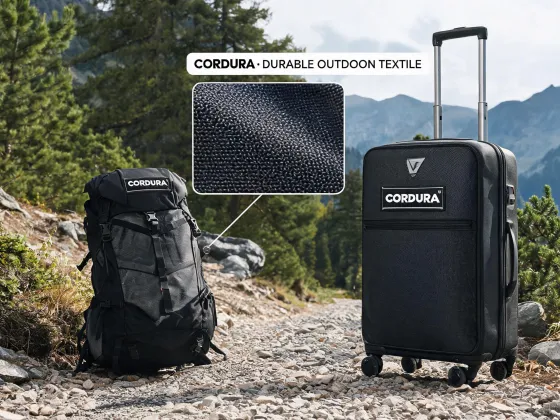
Cordura frames the discussion around abrasion route, tear profile, finish durability, hand feel and repeatable sampling rather than a generic claim of strength.
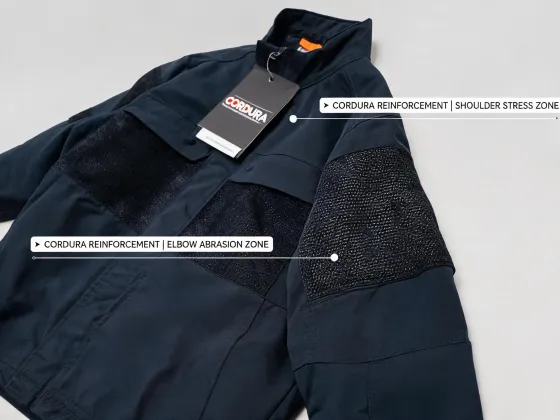
Cordura frames the discussion around abrasion route, tear profile, finish durability, hand feel and repeatable sampling rather than a generic claim of strength.
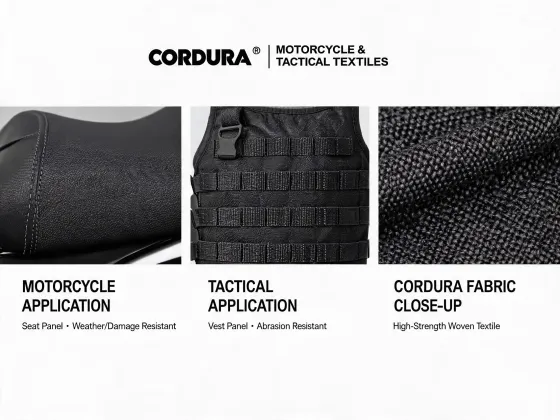
Cordura frames the discussion around abrasion route, tear profile, finish durability, hand feel and repeatable sampling rather than a generic claim of strength.
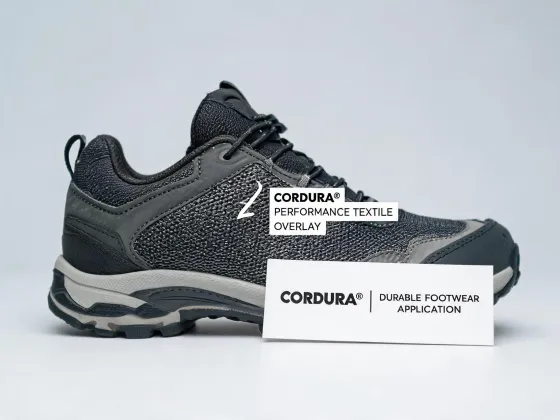
Cordura frames the discussion around abrasion route, tear profile, finish durability, hand feel and repeatable sampling rather than a generic claim of strength.
“The useful part is not a slogan about toughness; it is the way Cordura packages denier, construction, abrasion route and sample history so our material review can move.”
Senior product developer, equipment brand
Cordura answers best when the team knows end use, target weight, performance route, launch window and the evidence reviewers must see.
Specifications below reflect industry-standard trade-offs. Use them with the relevant ASTM, AATCC, ISO and NFPA test methods to qualify the construction for your end use.
Ring-spun yarn (Ne 30/1 to Ne 80/2) delivers higher tensile strength, lower hairiness and better hand for premium shirting and bedding.
Open-end (rotor) yarn at Ne 7-Ne 16 produces denim warp and towel pile at 25-35% lower cost; specifying ring-spun for everything inflates landed cost without consumer benefit.
Indian, Turkish and Pakistani vertical mills deliver the lowest per-kg cost, deepest BCI cotton access and yarn-to-finished capability at scale.
Mexican and Central American mills cut transit lead time from 75-90 days to 18-25 days, reducing in-transit working capital and improving response to retail replenishment cycles.
Better Cotton (BCI) and recycled-content programs (GRS, RCS) earn Higg MSI points, enable retailer hangtag claims and protect brand reputation under emerging EU Green Claims rules.
BCI and recycled fibers can shorten staple length and increase shrinkage variance (>3% warp/weft), requiring tighter QC at finishing; conventional combed cotton remains the benchmark for premium thread-count programs.
Each construction is qualified against the published test methods below. Sourcing and QA teams can request the matching certificate during the sample stage.
| Specification | Test Method | Typical Target |
|---|---|---|
| Yarn Count | ASTM D1907 | Ne 30/1 to Ne 80/2 ring-spun shirting; Ne 7-12 OE denim warp |
| Thread Count | ASTM D3775 | 200-800 TC bedding; 60-120 TC towel base |
| GSM | ASTM D3776 | 120-180 g/m² shirting; 320-450 g/m² denim; 400-650 g/m² towel |
| Shrinkage After Wash | AATCC 135 | ≤3% warp/weft 5× home wash; ≤2% hospitality linen |
| Colorfastness Crocking | AATCC 8 | ≥4 dry / ≥3 wet |
| Compliance | OEKO-TEX Standard 100 / GRS / GOTS / BCI | Certificates issued with batch tracing |