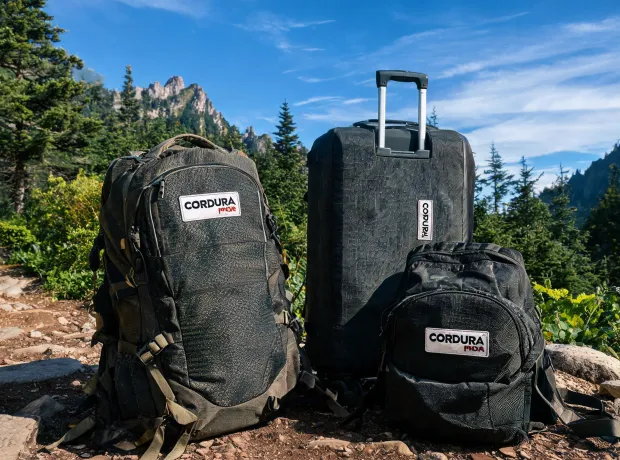
Outdoor packs and luggage
Cordura frames the discussion around abrasion route, tear profile, finish durability, hand feel and repeatable sampling.
IND-A requires visual hero, three-column image cards, project statistics and CTA.
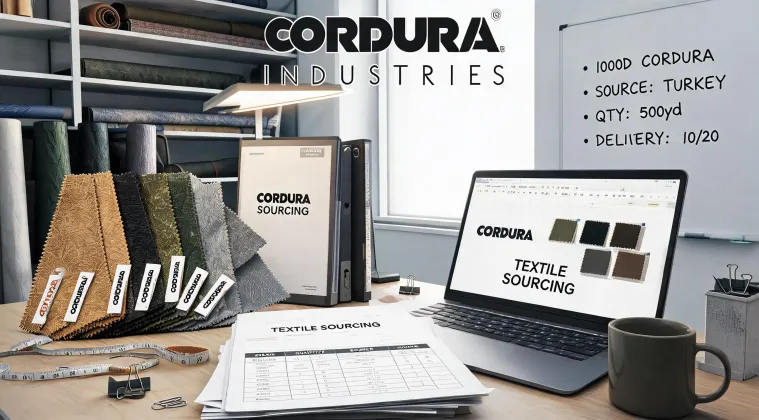
Every use case is written for a buyer who must defend the material choice internally.
Cordura frames the discussion around abrasion route, tear profile, finish durability, hand feel and repeatable sampling.
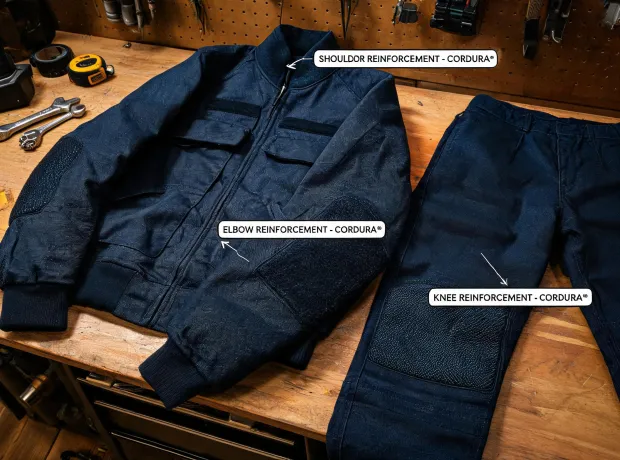
Cordura frames the discussion around abrasion route, tear profile, finish durability, hand feel and repeatable sampling.
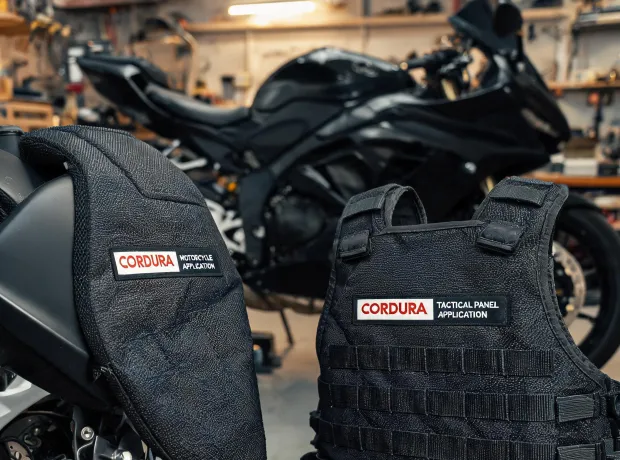
Cordura frames the discussion around abrasion route, tear profile, finish durability, hand feel and repeatable sampling.
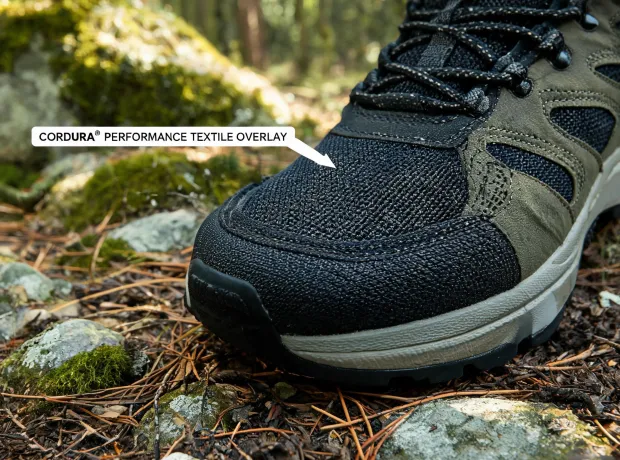
Cordura frames the discussion around abrasion route, tear profile, finish durability, hand feel and repeatable sampling.
Send target application, required method route, sample timeline and expected commercial scale so the technical desk can respond with a clean evidence path.
Send inquiryFor Cordura review teams, the useful brief is not a loose product description. It should name the target article, expected abrasion or tear risk, preferred construction direction, required certificate scope, test method assumption, sample quantity, launch timing and commercial volume band. When those details are present, the technical desk can answer with a controlled sequence: category recommendation, sample label, evidence availability, open validation points and quote basis. This keeps the conversation readable for product developers, sourcing managers, quality engineers and compliance reviewers who may enter the project at different moments.
The buyer should also state what would make the material fail in use: edge abrasion, repeated flex, wet handling, ultraviolet exposure, laundering, seam stress, coating delamination or shade movement. Naming the failure mode lets Cordura recommend an evidence route instead of guessing from a generic product name. The reply can then separate what is known at platform level from what depends on the final article, nominated mill, finish route or buyer test protocol. That distinction is especially important when a pack panel, footwear overlay, workwear reinforcement and protective accessory all use the same family name but face different qualification risks.
Specifications below reflect industry-standard trade-offs. Use them with the relevant ASTM, AATCC, ISO and NFPA test methods to qualify the construction for your end use.
Ring-spun yarn (Ne 30/1 to Ne 80/2) delivers higher tensile strength, lower hairiness and better hand for premium shirting and bedding.
Open-end (rotor) yarn at Ne 7-Ne 16 produces denim warp and towel pile at 25-35% lower cost; specifying ring-spun for everything inflates landed cost without consumer benefit.
Indian, Turkish and Pakistani vertical mills deliver the lowest per-kg cost, deepest BCI cotton access and yarn-to-finished capability at scale.
Mexican and Central American mills cut transit lead time from 75-90 days to 18-25 days, reducing in-transit working capital and improving response to retail replenishment cycles.
Better Cotton (BCI) and recycled-content programs (GRS, RCS) earn Higg MSI points, enable retailer hangtag claims and protect brand reputation under emerging EU Green Claims rules.
BCI and recycled fibers can shorten staple length and increase shrinkage variance (>3% warp/weft), requiring tighter QC at finishing; conventional combed cotton remains the benchmark for premium thread-count programs.
Submit a sample request via the inquiry form. Standard memo size 20×20 cm with full technical data sheet (TDS), composition, test method references and lot ID is shipped within 5-10 business days.
An application engineer can be assigned for joint test plans (e.g. Wyzenbeek per ASTM D4157, Martindale per ISO 12947, or MVTR per ASTM E96). Test reports are delivered in ISO/IEC 17025-accredited lab format.
Suppliers receive REACH SVHC declaration, OEKO-TEX or bluesign certificate copies, Higg FEM facility score, and ZDHC ClearStream MRSL conformance summary on request, subject to NDA where applicable.
For specifications where alternative test methods exist (e.g. Wyzenbeek vs Martindale, ASTM E96 vs JIS L1099), a side-by-side method comparison is available so procurement and design teams can align on a single qualifying standard.
Each construction is qualified against the published test methods below. Sourcing and QA teams can request the matching certificate during the sample stage.
| Specification | Test Method | Typical Target |
|---|---|---|
| Yarn Count | ASTM D1907 |
Ne 30/1 to Ne 80/2 ring-spun shirting; Ne 7-12 OE denim warp |
| Thread Count | ASTM D3775 |
200-800 TC bedding; 60-120 TC towel base |
| GSM | ASTM D3776 |
120-180 g/m² shirting; 320-450 g/m² denim; 400-650 g/m² towel |
| Shrinkage After Wash | AATCC 135 |
≤3% warp/weft 5× home wash; ≤2% hospitality linen |
| Colorfastness Crocking | AATCC 8 |
≥4 dry / ≥3 wet |
| Compliance | OEKO-TEX Standard 100 / GRS / GOTS / BCI |
Certificates issued with batch tracing |